How Is Endometriosis Diagnosed? Tests Explained
Endometriosis is usually diagnosed in steps. Your doctor starts with your symptoms and a physical exam, then uses imaging such …
read more >Endometriosis is usually diagnosed in steps. Your doctor starts with your symptoms and a physical exam, then uses imaging such …
read more >
IVF means stimulating your ovaries to produce eggs, collecting those eggs, joining them with sperm in a laboratory, and placing …
read more >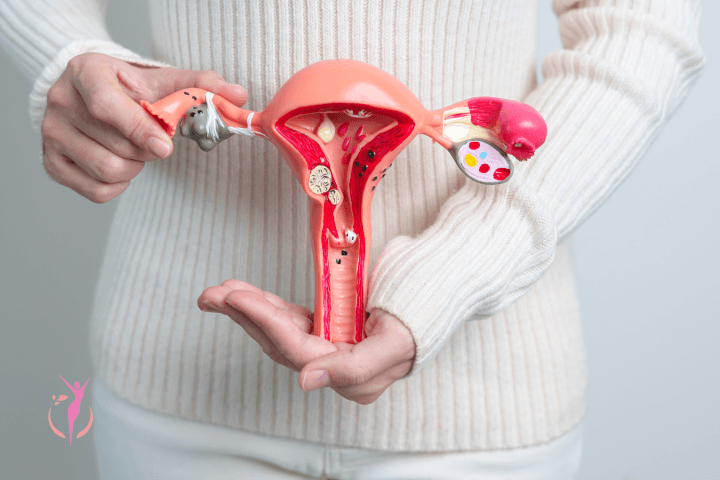
If you’ve been told you have uterine fibroids, you’re far from alone. These non-cancerous growths in or around the uterus …
read more >
Pregnancy is a transformative and deeply personal journey. Each stage brings unique physical, emotional, and developmental changes for both mother …
read more >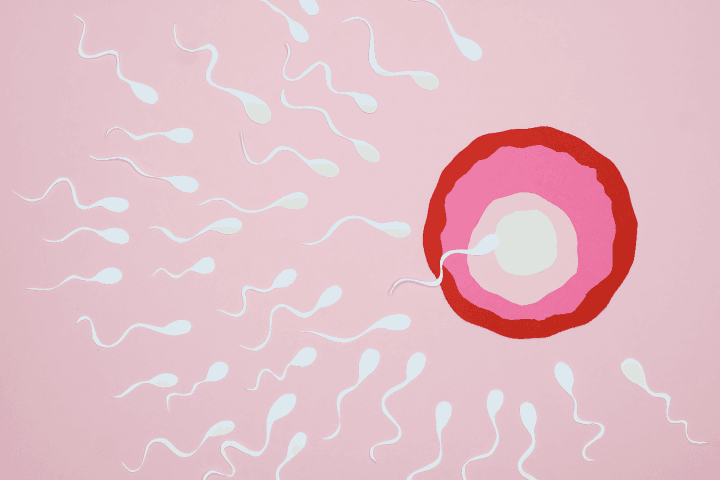
Female fertility is influenced by a complex interaction of biological, lifestyle, and environmental factors. While some elements — such as …
read more >
What Causes Urinary Incontinence in Women & How to Treat It Urinary incontinence is far more common than many women …
read more >
Pelvic organ prolapse (POP) is a common condition affecting many women, yet it often goes unspoken due to embarrassment or …
read more >
Polycystic Ovarian Syndrome (PCOS) is a common hormonal condition that can affect ovulation, menstrual cycles, fertility, and overall wellbeing. While …
read more >
Heavy or prolonged menstrual bleeding can significantly affect daily life, from work and family commitments to overall wellbeing. For some women, …
read more >
March marks Endometriosis Awareness Month, an opportunity to increase understanding of a condition that affects many women and can significantly impact quality …
read more >
When you’re trying to conceive, understanding the health of your uterus and fallopian tubes can be an important part of …
read more >
Urinary incontinence and bladder control concerns can significantly affect daily life, confidence, and wellbeing. For some women, non-surgical treatment options …
read more >