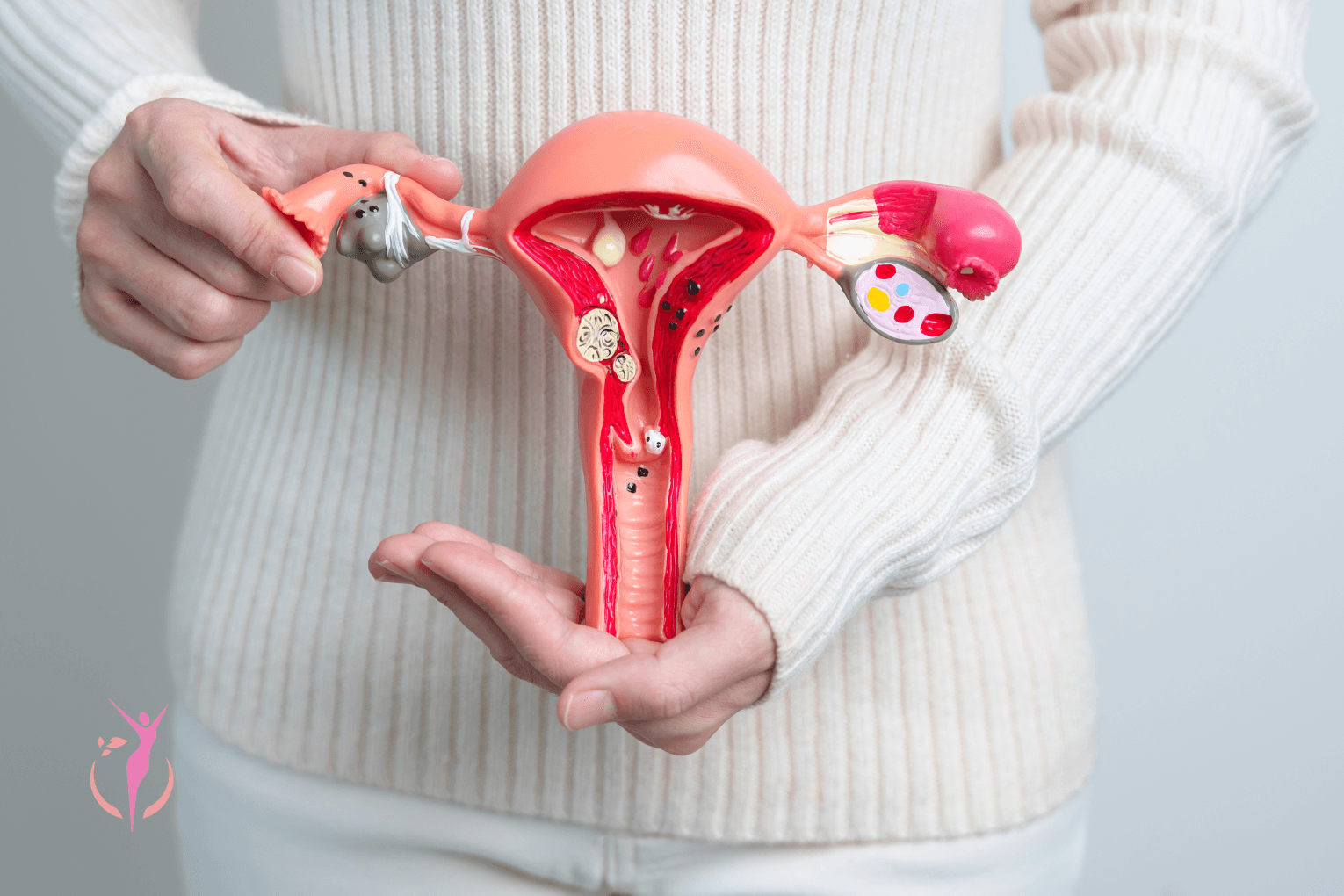
If you’ve been told you have uterine fibroids, you’re far from alone. These non-cancerous growths in or around the uterus affect a large proportion of women at some point before menopause, and for many, they cause no noticeable symptoms at all. For others, fibroids can bring on pain, heavy bleeding, or pressure that disrupts daily life. Understanding what’s happening in your body is the first step toward finding the right care.
What Are Uterine Fibroids?
Fibroids (also called leiomyomas) are muscular growths that develop in the wall of the uterus. They range enormously in size — some are as small as a seed, while others can grow to the size of a grapefruit or larger. A woman can have a single fibroid or several at once, and they may sit within the uterine wall, bulge outward, or protrude into the uterine cavity, depending on their location.
Fibroids are not linked to cancer risk in the vast majority of cases, and many women live with small fibroids for years without ever knowing they’re there.
Common Symptoms
Not every fibroid causes symptoms, but when they do, they can include:
- Heavy or prolonged menstrual bleeding
- Pelvic pain or a feeling of pressure or fullness
- Frequent urination, caused by pressure on the bladder
- Pain during intercourse
- Lower back pain
- In some cases, difficulty conceiving or complications during pregnancy
The size, number, and location of fibroids all influence which symptoms — if any — a woman experiences.
Who Gets Fibroids, and Why?
The exact cause of fibroids isn’t fully understood, but several factors are known to increase the likelihood of developing them, including family history, age (they’re most common in the years leading up to menopause), and hormonal factors, since fibroids are sensitive to oestrogen and progesterone.
Getting a Diagnosis
Many fibroids are picked up incidentally during a routine pelvic exam or ultrasound. If symptoms are present, your doctor may recommend imaging such as a pelvic ultrasound or, in some cases, an MRI to get a clearer picture of size and location before discussing next steps.
Treatment Options
Treatment isn’t one-size-fits-all — it depends on the size and location of the fibroids, your symptoms, your age, and whether you’re hoping to have children in the future. Options that may be discussed with your doctor include:
- Watchful waiting — for fibroids causing no symptoms, monitoring over time may be all that’s needed
- Medication — to help manage heavy bleeding or pain
- Minimally invasive procedures — depending on individual circumstances
- Surgical options — reserved for specific cases where other approaches aren’t suitable
Every woman’s situation is different, which is why a proper consultation and individualised discussion of options is so important before deciding on a path forward.
When to See a Doctor
If you’re experiencing heavy periods, ongoing pelvic pain, or any of the symptoms above, it’s worth having a conversation with your doctor — not to alarm you, but because there’s a wide range of effective, manageable approaches once fibroids are properly assessed.
At Coastal Women’s Health, Dr Farag takes the time to understand your individual symptoms and circumstances before recommending a path forward. Your story is unique, and your care should be too.
This article is intended for general educational purposes and is not a substitute for personalised medical advice. Please consult your doctor to discuss your individual symptoms and circumstances.
Book a consultation with Coastal Women’s Health to discuss your symptoms and explore your options.