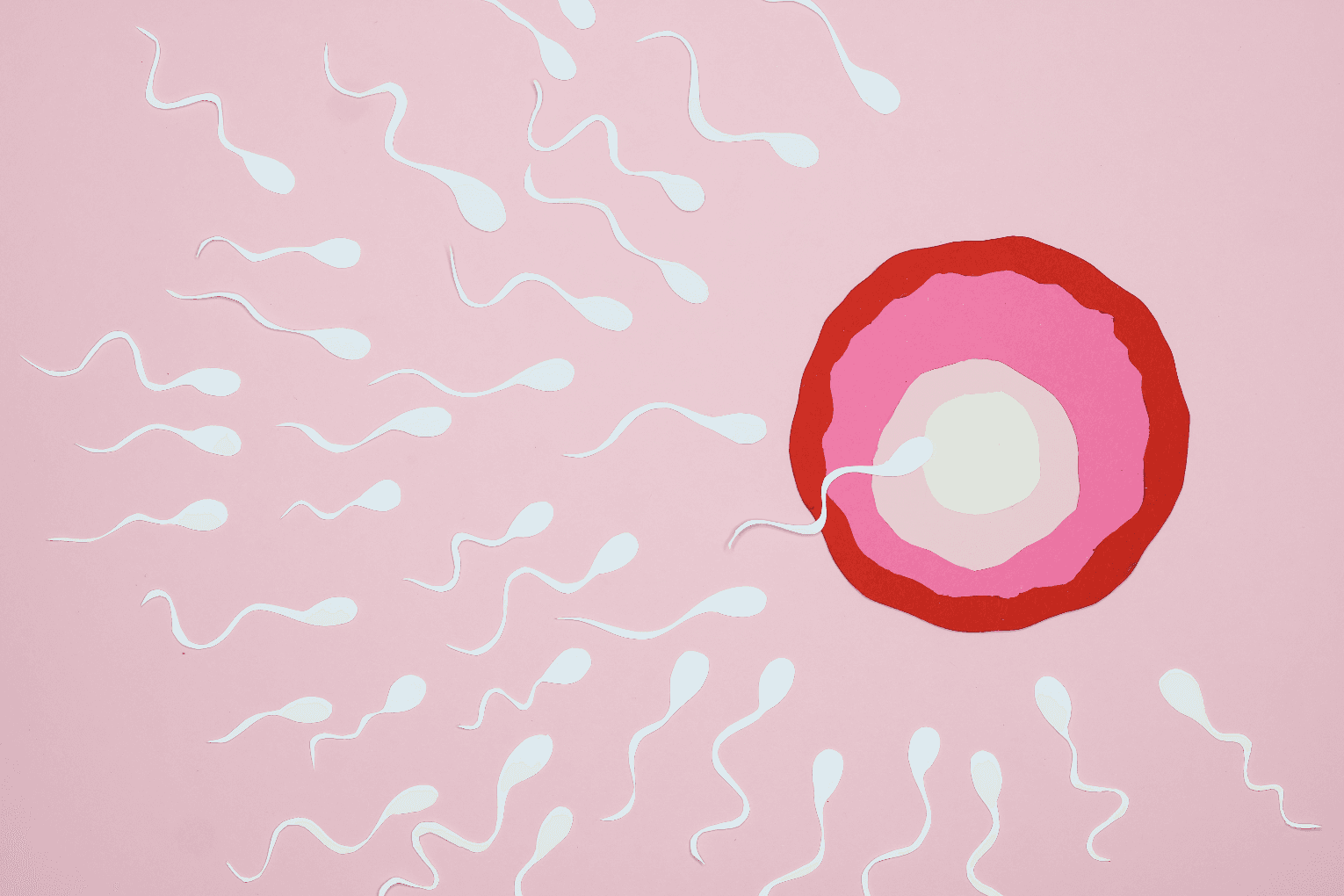
Female fertility is influenced by a complex interaction of biological, lifestyle, and environmental factors. While some elements — such as age or genetics — cannot be changed, many others can be optimised to improve your chances of conceiving. Understanding these factors empowers women and couples to make informed decisions and seek help when needed.
1. Age
Female fertility naturally declines with age due to changes in both egg quantity and egg quality.
- Fertility begins to decline gradually after age 30
- The decline becomes more significant after age 35
- By age 40, the number of genetically normal eggs decreases sharply
This is why early assessment is recommended for women planning pregnancy later in life.
2. Ovulation Disorders
Regular ovulation is essential for conception. Conditions that disrupt ovulation include:
Polycystic Ovary Syndrome (PCOS)
- One of the most common causes of infertility
- Leads to irregular cycles and inconsistent ovulation
- Often linked to insulin resistance
Hypothalamic Dysfunction
- Caused by stress, excessive exercise, or low body weight
Premature Ovarian Insufficiency (POI)
- Early decline in ovarian function before age 40
3. Hormonal Imbalances
Hormones regulate the menstrual cycle, ovulation, and implantation. Imbalances may include:
- Thyroid disorders (hypothyroidism or hyperthyroidism)
- Elevated prolactin (hyperprolactinaemia)
- Insulin resistance
- Low progesterone levels
These conditions can disrupt ovulation and reduce the chances of conception.
4. Weight & BMI
Body weight plays a major role in reproductive health.
Underweight
- Can suppress ovulation
- May cause irregular or absent periods
Overweight
- Increases insulin resistance
- Can worsen PCOS symptoms
- Affects egg quality and ovulation
Even a 5–10% weight adjustment can significantly improve fertility.
5. Diet & Nutrition
A nutrient‑rich diet supports hormone balance, egg health, and overall reproductive function.
Key nutrients include:
- Folate – supports early fetal development
- Iron – essential for ovulation
- Omega‑3 fatty acids – reduce inflammation and support hormone regulation
- Antioxidants – protect egg cells from oxidative stress
A Mediterranean‑style diet is often recommended for fertility.
6. Stress
Chronic stress affects the hypothalamus — the brain region that regulates hormones involved in ovulation.
High stress levels can:
- Delay or prevent ovulation
- Disrupt menstrual cycles
- Reduce libido
Mind‑body therapies, sleep optimisation, and lifestyle adjustments can help restore hormonal balance.
7. Smoking and Alcohol
Both significantly impact fertility.
Smoking
- Reduces egg quality
- Accelerates ovarian ageing
- Increases miscarriage risk
Alcohol
- Affects hormone regulation
- Impacts ovulation and implantation
Reducing or eliminating these habits can improve fertility outcomes.
8. Medical Conditions
Certain gynaecological conditions can interfere with conception:
Endometriosis
- Causes inflammation and scarring
- Can affect egg quality and tubal function
Fibroids
- May distort the uterus
- Can interfere with implantation
Pelvic Infections
- Untreated infections can lead to scarring or blocked tubes
Early diagnosis and treatment are essential.
9. Fallopian Tube Health
Healthy fallopian tubes are necessary for fertilisation. Blocked or damaged tubes can result from:
- Previous pelvic infections
- Endometriosis
- Prior abdominal or pelvic surgery
Tubal assessment is often part of a fertility workup.
10. Male Factor Fertility
Up to 40% of infertility cases involve male factors such as:
- Low sperm count
- Poor sperm motility
- Abnormal sperm shape
- Hormonal issues
A complete fertility assessment should always include both partners.
When to Seek Help
You should consider a fertility evaluation if:
- You’ve been trying to conceive for 12 months (under age 35)
- You’ve been trying for 6 months (age 35 or older)
- You have irregular or absent menstrual cycles
- You have known reproductive conditions (PCOS, endometriosis, fibroids)
Early assessment provides clarity and helps guide the most effective treatment plan.
Book a Fertility Consultation
A fertility assessment can provide answers, reassurance, and personalised guidance. Book a consultation at Coastal Women’s Health to explore your options and take the next step toward growing your family.