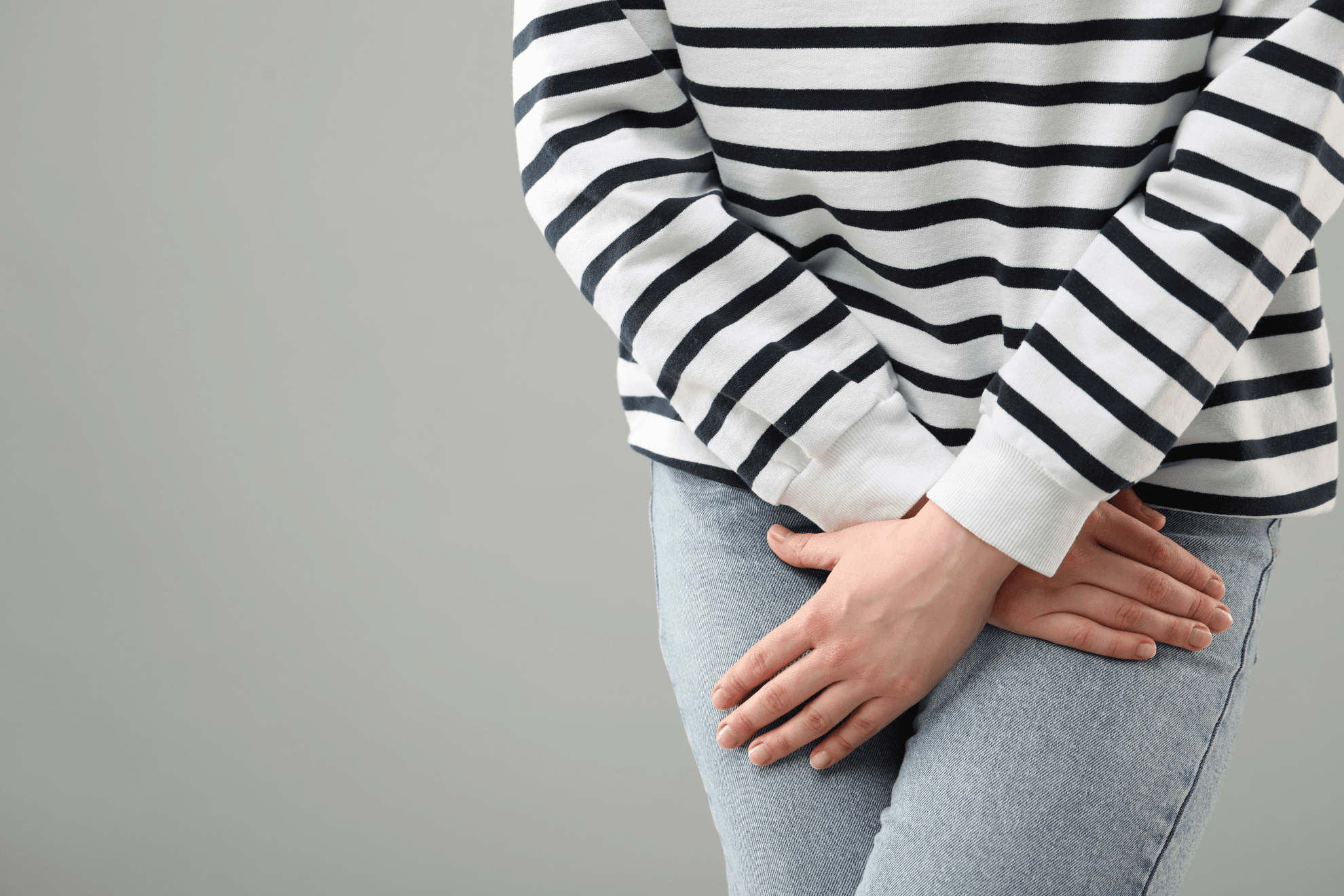
World Continence Week (16–22 June) was a timely reminder that bladder leaks and pelvic floor issues deserve more open conversation and more support.
At Coastal Women’s Health, we speak to women every week who tell us they’ve been quietly putting up with incontinence. Whether it’s a light leak when you laugh, exercise, or sneeze, or more frequent urgency, it’s something many women experience, but few talk about.
You’re Not Alone, and You’re Not Without Options
Incontinence affects women of all ages, particularly after childbirth and through menopause, when pelvic floor muscles and tissues can become weaker or less elastic. But while it’s common, it’s not something you have to just “live with.”
We’re here to help you understand what’s happening in your body and explore the treatment options that are right for you.
How We Can Help
At Coastal Women’s Health, we offer a range of treatment options tailored to the underlying cause of your symptoms. Some of the support we provide includes:
Pelvic Floor Strengthening Guidance
Whether through referral to trusted pelvic floor physiotherapists or guidance around safe, effective exercises, improving muscle support is often the first step.
Hormonal Support
For women in perimenopause or post-menopause, low oestrogen can contribute to incontinence. Hormonal treatments may help restore tissue health and improve bladder control.
PRP (Platelet-Rich Plasma) Therapy
This natural, regenerative treatment uses your body’s own platelets to help stimulate healing and strengthen the tissues that support the bladder and pelvic floor. PRP is a promising option for mild to moderate stress incontinence, and we’re proud to offer it in our clinic as part of a personalised care plan.
Personalised Support
Every woman’s experience is different and so is every treatment plan. Whether you’re dealing with urgency, leaks, or discomfort, Dr. Farag brings over 20 years of experience supporting women on the Central Coast and takes the time to truly listen, assess, and guide you through the best options for your health.
You Deserve to Feel Confident and in Control
If incontinence is affecting your daily life; your confidence, your comfort, or your ability to enjoy activities, know that support is available and progress is possible.
This World Continence Week and beyond, let’s break the silence and take the first step toward better pelvic health.
Ready to chat? Talk to your doctor and ask for a referral to a consultation with Dr Farag at Coastal Women’s Health today.